

Burnout isn’t always a loud explosion. Often, it’s just a sharp employee getting quiet or staying late to stare at a screen they can’t focus on anymore. They start missing deadlines they used to hit with ease. It’s a slow drain.
In global, multilingual teams, these shifts are even harder to catch. A language gap can make it almost impossible for someone to explain why they’re struggling. But the problem goes deeper than that. These same barriers often keep people from finding the mental health support they actually need.
Managers have to spot these red flags early. Software can’t diagnose a human breaking point, but the right systems can at least keep the door open. AI video tools, for instance, translate training and well-being resources into a person’s own language. It makes the help feel real. Such tools ensure every worker, no matter where they sit, knows they aren’t stuck dealing with it alone.
We’re looking at why employees burn out and what actually causes that crushing workplace pressure. It turns out multilingual video helps companies support their remote and international teams way better.
What Is Workplace Burnout?
Burnout isn’t just a bad Monday. It’s a slow, heavy exhaustion that develops after months of unmanaged stress. You don’t wake up with it suddenly; it builds up quietly over time.
Everyone experiences burnout differently. One person might feel like they’re dragging through mud every morning, while another feels totally detached from their own desk. Some just lose that spark of confidence they used to have. But managers shouldn’t mistake this for laziness or a lack of heart. These are red flags. Maybe the workload is crushing them, or they just need a little more support to keep going.
Common Signs of Employee Burnout
Look for patterns. Don’t just jump to conclusions after one bad day. Burnout usually leaves a trail of warning signs first.
1. Persistent Employee Exhaustion
An employee might show up exhausted even after a long weekend away. That deep work burnout affects concentration. It reduces motivation and makes even simple decisions feel difficult. Frequent headaches may appear, too. Sleep can suffer, and then stress-related aches may start.
2. Declining Employee Performance
Burnout can make employees miss deadlines they previously met with ease. It makes everyday tasks feel difficult, and mistakes may start piling up. When a good worker slips, don’t assume they’ve checked out. Ask about their workload first. Check for the barriers in their way.
3. Employee Disengagement
Someone who used to be the first to speak up might just go quiet during a meeting. They start dodging hallway chats or acting like they’ve checked out emotionally. It’s often the weight of long-term pressure. Or maybe nobody noticed their work. They withdraw because they feel like talking won’t change a thing.
4. Increased Employee Absenteeism
You’ll see a worker’s rhythm start to break when they’re struggling. It’s the sudden string of sick days or a pattern of showing up late that gives it away. But life’s messy. Managers need to stay empathetic and avoid guessing the “why” before they’ve actually asked.
5. Negative Attitudes and Loss of Confidence
Burnout makes people cynical. They get snappy or pick apart everything. Some lose their nerve entirely. You’ll see them constantly asking if they’re doing okay or apologizing for every tiny slip-up. Stress hits everyone differently.

What Causes Employee Burnout?
The causes of employee burnout are often connected to the way work is organised. Common factors include:
- Excessive or constantly changing workloads
- Unclear responsibilities and expectations
- Unrealistic deadlines
- Limited control over how work is completed
- Poor management support
- Lack of recognition or career development
- Unfair treatment
- Inadequate staffing
- Pressure to remain available outside working hours
- Communication and language barriers
Workplace stress gets dangerous when people feel they can’t speak up. For international staff, asking for help is even harder. They often hit a wall if the safety policies or mental health resources are written in a language they don’t know well. This means the support stays out of reach.
Burnout and Productivity
Burnout and productivity have a messy, tangled relationship. An exhausted employee might stay glued to their laptop until midnight, but they’re usually just spinning their wheels. Their hours pile up while the actual output thins out; it’s a hollow kind of work. They struggle to focus on basic tasks, and making a simple decision feels like wading through thick mud.
Managers shouldn’t judge commitment by a timestamp or a green Slack dot. That’s a mistake. Instead, look at the actual load. Good leaders weigh deadlines against real human capacity and see if the results match the effort. It’s about balance. They have to check whether the work is distributed fairly or one person is becoming overwhelmed.
Burnout in Remote Employees
Identifying burnout in remote employees can be challenging because managers do not see everyday behavioural changes in person. Possible indicators include:
- Regular work outside normal hours
- Reduced participation in online meetings
- Cameras remaining off when this is unusual for the employee
- Slower communication or repeated missed deadlines
- Fewer contributions to team discussions
- Difficulty switching off from work
These signals do not prove that someone is burnt out. They should prompt a supportive, private conversation rather than surveillance or punishment.
How AI Video Translator Tools Can Support Global Teams
AI video translators swap spoken words or subtitles from one language to another. But the right tool for a job isn’t always the one with the flashiest features. It needs to actually get the translation right. Security matters too, since no company wants their private data leaking into the wild. And you need a way for real people to check the work for mistakes.
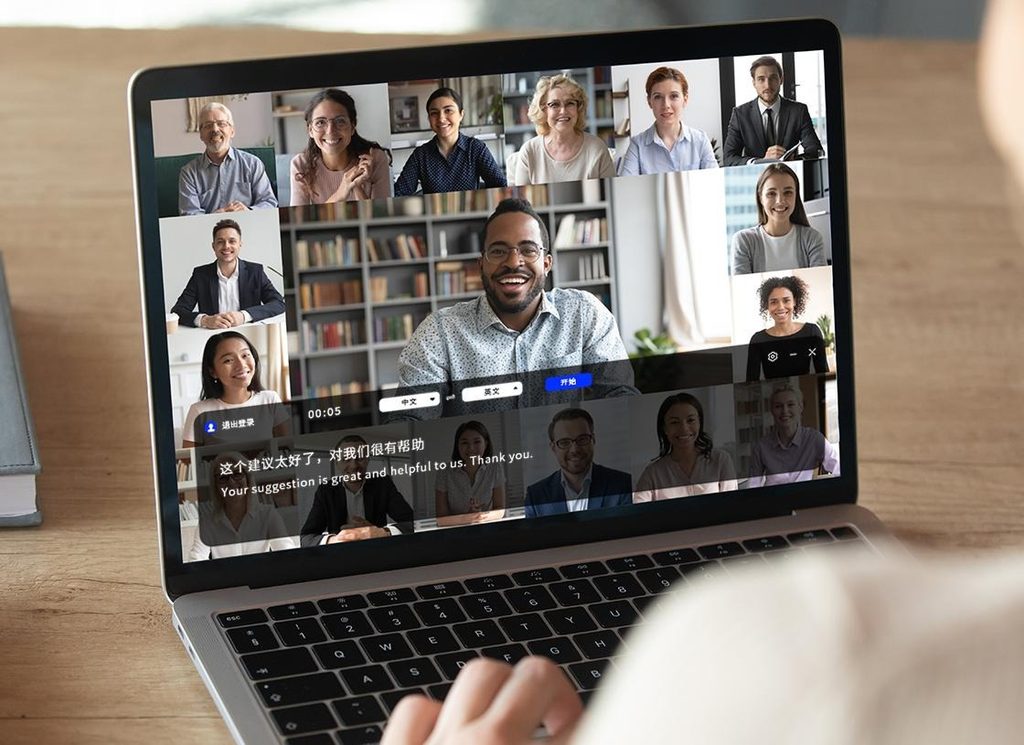
These tools help teams share info without things getting lost in translation. A worker in Berlin can watch a manager’s briefing or a mental health talk recorded in New York. It keeps everyone on the same page. Training feels consistent, no matter what language you speak.
Making Well-Being Resources Accessible
Companies are using automatic video translation to turn stress-management training into different languages. They’re doing the same for mental-health guides and HR policies. This makes sense; it gives everyone a fair shot at actually understanding the help that’s available to them.
An AI subtitle translator handles the captions while keeping the original speaker’s voice intact. These accurate subtitles are a lifesaver for people who’d rather read than listen. They also help anyone working in a noisy warehouse or those who just need a little extra language support. It works.
Using Dubbing and Voice Technology
Some groups find that translated audio works best for their people. New AI dubbing tools swap out the original speech for a fresh language, and the result sounds surprisingly like a real person talking. The more advanced tech even handles voice cloning and lip-syncing. These touches make a video feel personal. They keep people watching.
But there’s a catch. Companies need to get clear consent before cloning anyone’s voice. It’s only fair that employees know when a machine has tweaked a video.
When you’re looking at different dubbing software, check the translation accuracy first. See which languages they actually cover. Data security matters, too. And you’ll definitely want to make sure your leaders can still jump in and edit things manually. Use a human eye to double-check the work.
Speech-to-speech technology speeds things up, but when it comes to mental health, people still need to check the work. Human review helps prevent inaccurate advice or culturally inappropriate language.
Supporting Creators and Internal Communication Teams
Localizers often use video tools to swap out local examples and fix tricky cultural references. It’s about making the content feel right. Creators frequently use translation software to break one massive training video into bite-sized, multilingual clips for their teams.
Suppose a company opens a branch in Tokyo. They’ll need their training materials actually to make sense there. Instead of reshooting everything, they just add multilingual subtitles to their existing YouTube videos. It saves a fortune. You get accessible content without having to run a dozen different film sets.
HappyScribe’s video translator is one of several available options. Before selecting software, employers need to compare different products. They should consider security and accessibility while keeping their staff’s actual needs in mind.
How Managers Can Identify Burnout
Understanding how managers can identify burnout requires more than monitoring output. Good managers combine observation with respectful conversation.
They should:
- Arrange a confidential one-to-one meeting.
- Describe specific changes without labelling or diagnosing the employee.
- Ask open questions about workload, deadlines and available support.
- Listen without immediately defending company practices.
- Agree on practical changes and a follow-up date.
Managers have to make sure translated messages actually make sense. A multilingual video is useless if the facts are wrong. It needs to feel right for the culture, too. The audience shouldn’t have to guess what to do next.
How to Prevent Employee Burnout
Learning how to prevent employee burnout means addressing workplace conditions, not merely encouraging employees to become more resilient. Effective burnout prevention strategies include:
- Setting realistic workloads and deadlines
- Clarifying roles and priorities
- Encouraging employees to take breaks and annual leave
- Respecting working-hour boundaries
- Training managers to recognise early warning signs
- Providing confidential support services
- Creating safe ways to raise concerns
- Offering important resources in employees’ preferred languages
- Reviewing staffing levels and unequal workload distribution
Companies that care about well-being need to track their results. They’ve got to see if these programmes actually help anyone. A single webinar won’t fix a crushing workload. It can’t bridge the gap left by bad management, either.
How to Deal With Employee Burnout
You’ve got to cut off the pressure at its source to stop employee burnout. That’s the first move. Maybe you push back a deadline or move some tasks to another desk. You could approve a week of leave or find extra hands to help with the load. Sometimes, pointing someone toward professional support makes a real difference. It’s about more than just checking a box.
Technology is great for finding information, but it’s just a tool. It shouldn’t replace a human. AI can translate words, but it can’t diagnose burnout or hold a genuinely compassionate conversation. It certainly can’t make a workplace feel safe. Ultimately, managers have to be the ones who listen and take real action.
Conclusion
Burnout doesn’t just look like tired eyes; it’s a slow slide into quiet disengagement. You see it in the empty desks, the sudden drop in confidence, or a top performer whose work just starts to fray at the edges. In offices where people speak different languages, these warning signs are easy to miss. People can’t find the words to ask for help, and they often lose access to the very info they need to do their jobs. It’s isolating.
AI video translators can help bridge that gap by making training and well-being resources actually readable for everyone. But tech isn’t a cure-all. You still need human review, tight data privacy, and a boss who actually listens. Translation tools are great, but they can’t fix a broken culture on their own.